
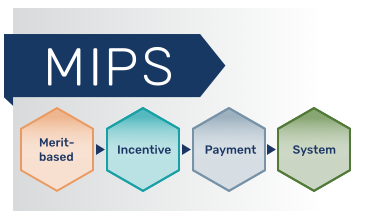
MSMS, American Medical Association (AMA), and other state and national medical societies have long advocated for improvements to Medicare’s Merit-based Incentive Program System (MIPS). We are pleased to report that legislation, H.R. 8622, has been introduced with the intent of making MIPS more efficient, useful and fair for all participating physicians.
H.R. 8622, the Medicare Physician Data-driven Performance Payment System (DPPS) Act of 2026,” sponsored by Congresswoman Mariannette Miller-Meeks, MD (IA-01) and Congressman Herb Conaway Jr., MD (NJ-03), would address some of the inherent problems with the Program’s current win-lose structure that have resulted in significant administrative burden, steep penalties that disproportionately hurt small, rural, and independent practices, and a lack of timely and actionable data.
In a recent advocacy alert, the AMA shared the following:
“MIPS costs $12,800 and 202 hours per physician per year in paperwork and compliance, according to a 2022 JAMA study. The CMS data from 2023 Quality Payment Program (QPP) Experience Report shows that 29% of small practices, nearly 50% of solo practitioners, and 18% of rural practices received a MIPS penalty —jeopardizing patient access to local care, especially in underserved communities.”
Provisions in H.R. 8622 would provide key reforms to MIPS by:
- Freezing the performance threshold at 75 points for at least three years.
- Eliminating the MIPS win-lose "tournament style" payment adjustments (i.e., the +/- 9%) to ensure physicians are no longer subjected to steep penalties.
- In lieu of penalties, linking physicians' MIPS performance to a portion of their annual payment update (e.g., either the existing 0.25% under MACRA or the percentage increase in the Medicare Economic Index (MEI), should it be enacted in a separate bill).
- Mandating CMS fulfills its statutory obligations under MACRA to share data on a quarterly basis with the MIPS performance year, so physicians can leverage this data to implement changes that would improve patient care and use resources more efficiently.
- Adding language whereby the failure by CMS to provide MIPS physicians with three quarters worth of data during the performance year results in doctors receiving the highest possible payment update.
MSMS encourages physicians to reach out to your Congresspersons and ask that they support and co-sponsor H.R.8622 to ensure physicians can deliver quality care in their local community.
For additional information, please feel free to contact Stacey Hettiger at shettiger@msms.org or 517-336-5866.