
News & Media
M-Response CORPS: No One Dies Alone Program
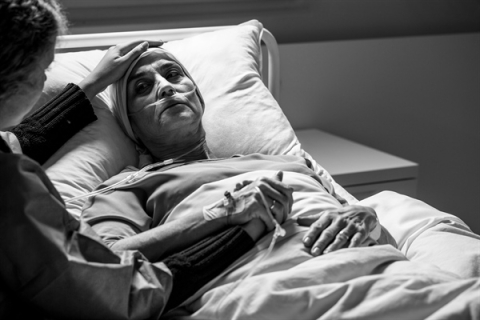
Across the nation, hospitals have implemented necessary visitor restrictions to reduce disease transmission. Additionally, families may be limited in their ability to visit end-of-life patients due to travel restrictions and personal safety concerns. As loved ones may not be able to hold the hands of a dying patient, creative solutions, such as using tablets at the bedside, have the potential to be harnessed towards providing meaningful care and companionship. With the increased patient load from COVID-19, healthcare workers, including physicians, nurses, and therapists, have risen to the task of providing quality care in the midst of significant workplace stressors. We believe that medical students may be able to help alleviate some of these workload pressures by participating in end-of-life care.
At our own institution, the existent No One Dies Alone (NODA) program was adapted to address this important need. Volunteers normally consist of individuals from the community, many of whom can now no longer participate due to COVID-related hospital restrictions or their own concerns for risk. Medical student volunteers can instead serve as “compassionate companions” to help provide patients dying of non-COVID related illnesses with a dignified death. However, for individuals dying with COVID-19, a bedside vigil would utilize scarce PPE and impart infection risk to volunteers. With the support of medical and nursing staff, student volunteers may then be able to use tablets to safely facilitate these connections between patients and family members.
We anticipate that NODA will have significant benefits for medical education. Since end- of-life education is minimal within medical school curricula, we believe that students will be able to better understand the importance of providing this kind of care and gain effective tools for empathetic communication between patients and caregivers. Additionally, through interactions with patients and weekly debriefing sessions, we hope that clinical students will be able to acquire useful strategies for resiliency and coping, improving their interactions with dying patients in the future. As future physicians, our professional responsibilities extend beyond caring for those who are alive and include helping those who are in their final moments to experience their last few hours or days as meaningful and as fulfilling as possible.
About the University of Michigan Medical School M-Response CORPS
Our mission is to provide diverse and necessary services to the Michigan Medicine community and those whom they serve in the wake of the current COVID-19 pandemic through volunteers from the UM student body working in partnership with faculty and staff. M-Response Corps is a student-led and faculty-supported organization that organizes medical student volunteers to meaningfully serve the needs of our community and our healthcare system during the COVID-19 pandemic. Any questions can be directed to our M-Response Corps Co-Directors, Nadine Ibrahim, Ali Hammoud, Nicole Dayton, Michael Broderick, or our faculty leads, Deborah Berman, MD, and Joseph Kolars, MD.