
The Centers for Medicare & Medicaid Services (CMS) has opened several important Quality Payment Program (QPP) deadlines and exception application opportunities that physicians and group practices should review closely this year.
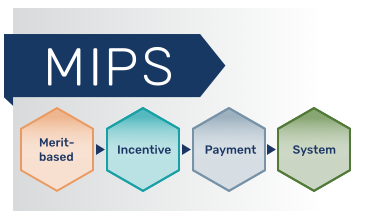
Physicians and group practices have until June 11, 2026, to preview their 2024 Merit-based Incentive Payment System (MIPS) performance data before it is publicly posted in the Provider Data Catalog and on clinician and group profile pages within the Medicare.gov compare tool. The Michigan State Medical Society encourages physicians to carefully review their data for accuracy during the preview period and promptly report any concerns before the information becomes publicly available.
Physicians can access the secure preview through the Quality Payment Program website using their Health Care Quality Improvement Systems (HCQIS) Access Roles and Profile (HARP) credentials. Questions or requests to correct data must be submitted to the Quality Payment Program Service Center before the preview period closes on Thursday, June 11, 2026, at 8:00 pm. Physicians may contact the QPP Service Center by email, submitting a QPP Service Center ticket or calling 1-866-288-8292. Practices needing assistance accessing the QPP website or obtaining a HARP user role may also contact the QPP Service Center. Additional information about creating a HARP account is available in the QPP Access User Guide.
CMS is also now accepting 2026 QPP exception applications through December 31, 2026. These applications are intended to support clinicians, groups, virtual groups and Alternative Payment Model (APM) participants that are unable to fully meet MIPS reporting requirements due to qualifying hardships or extraordinary circumstances.
Two types of exception applications are available. The MIPS Promoting Interoperability Performance Category Hardship Exception Application allows clinicians and organizations to request reweighting of the Promoting Interoperability category due to issues such as decertified electronic health record technology, insufficient internet connectivity, severe financial hardship, vendor problems or lack of control over the availability of certified EHR technology.
CMS is also accepting applications for the MIPS Extreme and Uncontrollable Circumstances Exception Application. This option applies to clinicians, groups and virtual groups that experience rare events outside their control that significantly affect their ability to collect or submit required MIPS data. Examples may include disasters, practice disruptions or other prolonged operational challenges affecting reporting across quality, cost, improvement activities or Promoting Interoperability categories. Approved exception applications may exempt participants from reporting requirements for affected performance categories. However, any qualifying data that is ultimately submitted will still be scored and included in the participant’s final MIPS score on a category-by-category basis. Alternative Payment Model Entities, including Medicare Shared Savings Program Accountable Care Organizations, may also apply for exceptions. Unlike individual clinicians or groups, APM Entities must apply across all MIPS performance categories. If approved, submitted data will not be scored for MIPS purposes.
To apply for either exception, participants should sign into the QPP Exceptions Application page using their HARP account, select “Exceptions Application,” click “Add New QPP Exception,” and choose the appropriate exception type.
Physicians and practices are encouraged to review their MIPS data and evaluate whether they may qualify for available exception applications well in advance of upcoming deadlines. Taking time to verify performance information and understand available reporting flexibilities may help practices avoid future reporting challenges and payment impacts.
For further questions or assistance, contact Dara Barrera, Director, Health Quality, Equity and Technology at djbarrera@msms.org.